
The Thrill of the Hunt: Finding Rare Music Memorabilia in Unexpected Places
By Soren Gallagher · · 5 min read
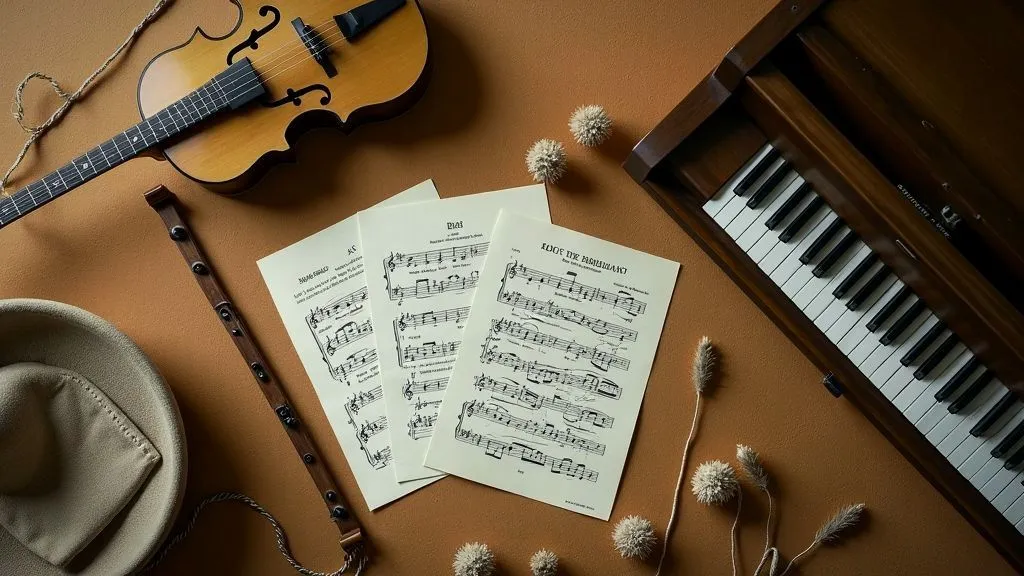
In the world of music memorabilia, collectors often seek out iconic items that tell a story or capture a moment in time. While major auction houses and well-known dealers are common avenues for finding valuable pieces, some of the most exciting discoveries can happen in the most unexpected places. This article explores how collectors can expand their search, uncover rare items, and appreciate the thrill of the hunt.
Flea Markets: Hidden Gems Await
Flea markets may seem like a treasure trove of random goods, but they often harbor incredible finds for music enthusiasts. Vendors at these markets frequently have a mix of vintage items, including old records, posters, and even clothing worn by artists. The key is to approach these markets with an open mind and a willingness to sift through various products.
When searching for music memorabilia at flea markets, it’s helpful to know what you’re looking for but also to embrace the serendipity of discovery. You might stumble upon a rare vinyl record that wasn’t even on your radar, or a unique piece of memorabilia that adds depth to your collection. Knowing how to negotiate prices can also lead to great deals, as many vendors are open to haggling.
Tips for Successful Flea Market Finds
-
Visit Frequently: The inventory at flea markets changes regularly. Frequent visits increase your chances of uncovering new items.
-
Engage with Vendors: Building relationships with vendors can lead to insider knowledge about new arrivals or upcoming items for sale.
-
Bring Cash: Many flea market vendors prefer cash transactions, and having cash on hand can give you leverage in negotiations.
Estate Sales: Personal Collections on Display
Estate sales present a unique opportunity for collectors to acquire music memorabilia that belonged to individual fans and collectors. These sales often feature personal collections that might include rare concert tickets, handwritten lyrics, or even instruments. The intimate nature of estate sales provides a glimpse into the personal lives of the original owners, adding an emotional layer to the items.
While estate sales are often advertised through local newspapers or online platforms, it can be beneficial to scout neighborhoods for signs indicating an upcoming sale. Arriving early can give you an advantage over other collectors, allowing you to explore items before they are picked over.
What to Look For at Estate Sales
-
Authenticity: Always look for provenance or documentation that verifies the authenticity of a piece. This can greatly increase its value.
-
Condition Matters: Pay attention to the condition of items. Slight wear and tear can affect value but might not deter a passionate collector.
-
Ask Questions: Don’t hesitate to ask the hosting family about the items. They may share interesting stories that enhance your connection to the piece.
Concert Venues: The Aftermath of the Show
Concert venues often feel like sacred spaces for music lovers, and they can also be gold mines for memorabilia. Many venues have merchandise stands that sell exclusive items, but the real gems can sometimes be found after the concert. Items left behind by fans, such as setlists, drumsticks, or even signed posters, can occasionally be retrieved by venue staff or diligent collectors.
What to Keep an Eye Out For
-
Setlists: These documents often change from show to show. Finding an authentic setlist from a memorable concert can be particularly valuable.
-
Signed Items: If you can, try to catch musicians after the show. They may be willing to sign posters or other memorabilia.
-
Merchandise: Some venues offer limited-edition merchandise that is only available on the night of the concert. These items can become highly sought after.
Online Marketplaces: The Digital Collecting Frontier
As technology has evolved, online marketplaces have become a significant platform for buying and selling music memorabilia. Sites like eBay, Etsy, and specialized auction platforms allow collectors to search through a vast array of items from the comfort of their homes. While online shopping offers convenience, it also requires a discerning eye.
Best Practices for Online Collecting
-
Research Before You Buy: Familiarize yourself with market values for specific items. This will help you identify fair pricing.
-
Check Seller Ratings: Always review seller ratings and feedback. A reputable seller will have a history of positive transactions.
-
Ask for Additional Photos: If you’re uncertain about the condition of an item, request more photos to get a better idea before making a purchase.
Record Stores: More Than Just Music
Independent record stores are treasure troves of music memorabilia. Many stores carry vintage items and may even have unique merchandise specific to local bands or artists. Building relationships with store owners and staff can lead to exclusive knowledge about upcoming releases or rare finds.
Exploring Record Store Offerings
-
Vinyl Records: Beyond just the music, the album art can be a collectible in its own right. Some records come with special inserts or limited-edition artwork.
-
Band Merch: T-shirts, pins, and other memorabilia related to specific bands can often be found at record shops, especially those focused on local music scenes.
-
Listening Events: Attend in-store events where bands perform or sign merchandise. Engaging with these events can lead to unique collectibles.
Thrift Stores: Unlikely Discoveries
Thrift stores might not be the first place that comes to mind for music memorabilia, but they often yield surprising finds. These stores receive donations from individuals, which means you never know what might turn up. It’s not uncommon to find vintage records, music-themed home decor, or even older concert posters tucked away on shelves.
Keys to Successful Thrift Store Hunting
-
Be Patient: The selection can be hit or miss. Patience is essential when searching through numerous items.
-
Visit Regularly: Just like flea markets, thrift store inventories change frequently, so make it a habit to visit often.
-
Look for Unique Items: Keep an eye out for unusual items that may have potential value or personal significance, such as autographed memorabilia.