
Uncovering the Value of Vintage Music Memorabilia in Today's Market
By Soren Gallagher · · 4 min read
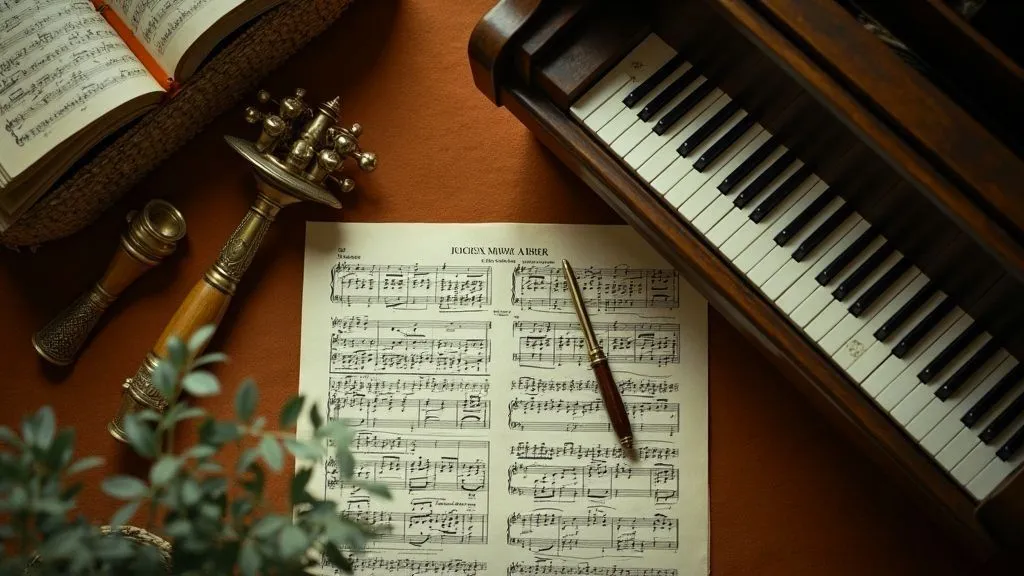
The world of music memorabilia is rich with history and emotion, allowing collectors to connect with their favorite artists in a tangible way. As these items age, their value can fluctuate significantly based on a variety of factors, making it crucial for collectors to stay informed about what drives market demand. This article explores the intricacies of vintage music memorabilia and how to navigate the evolving landscape of this unique collecting niche.
Understanding Vintage Music Memorabilia
Vintage music memorabilia includes items that are associated with musicians, bands, or specific music events from the past. This could range from concert posters, autographed records, and vintage photographs to clothing worn by iconic performers. The primary appeal of such collectibles lies in their connection to significant moments in music history, enabling fans to own a piece of the cultural legacy.
The Types of Vintage Memorabilia
There are several categories of vintage music memorabilia that collectors often seek. Some of the most popular types include:
-
Concert Posters: These often feature unique artwork and the names of bands or artists that played at specific venues. Posters from iconic performances can fetch high prices, especially if they are in mint condition.
-
Vinyl Records: Original pressings, especially those that are signed, tend to be highly sought after. Albums from legendary artists like The Beatles or Elvis Presley carry significant value, particularly if they are rare or in excellent condition.
-
Autographed Items: Whether it’s a record, a photo, or even a piece of clothing, autographed memorabilia can dramatically increase in value. Authentication of signatures is crucial for these items.
-
Stage Worn Costumes: Clothing worn by artists during performances can be both iconic and valuable. Items that have a story behind them, such as those worn during famous concerts, are often the most sought after.
Factors Influencing Value
The value of vintage music memorabilia is not determined solely by its age. Several factors play a critical role in how much collectors are willing to pay.
Condition
The condition of an item is paramount in determining its value. Items that are in excellent condition, free from damage, and with original packaging or provenance often command much higher prices. For example, a pristine concert poster might be worth thousands, while one with tears or discoloration will fetch significantly less.
Rarity
The rarity of an item significantly influences its value. Limited edition releases, items from specific tours, or those associated with particular events can be more desirable. For instance, a record that was only pressed in a few hundred copies will typically be more valuable than a widely available album.
Provenance
The item’s history, or provenance, plays a significant role in its market appeal. Documentation that traces an item’s ownership can authenticate its story and enhance its value. For example, memorabilia that has been previously owned by a famous artist or has a notable backstory is often more valuable.
Market Trends
The music memorabilia market can fluctuate based on various trends in the music industry and popular culture. Changes in music consumption, shifts in the popularity of artists, or even film and television portrayals of musicians can impact prices. Collectors need to stay informed about current trends to understand when to buy or sell.
Navigating the Collecting Scene
For those interested in entering the world of vintage music memorabilia collecting, a strategic approach is essential.
Research
Knowledge is power when it comes to collecting. Before purchasing items, take the time to research market values, trends, and the specifics of what makes certain memorabilia more desirable. Online auction sites, collector forums, and music history books can be valuable resources.
Networking
Building relationships with fellow collectors, dealers, and industry insiders can provide insider knowledge and opportunities to acquire rare items. Attend trade shows, conventions, and local collectible fairs to meet others who share your passion.
Authentication
Authentication is a critical aspect of the collecting process, especially for autographed items. Be wary of items that lack authentication from reputable sources, as the market is rife with forgeries. Seek out items that come with certificates of authenticity or credible provenance.
Pricing Strategies
When buying or selling memorabilia, it’s essential to have a solid understanding of pricing. Utilize auction results and recent sales data to gauge fair market values. Being patient and waiting for the right opportunity can often yield better outcomes, whether you are purchasing or selling.
Preservation and Display
Once you’ve acquired vintage pieces, proper preservation is key to maintaining their value.
Storage
Store items in a controlled environment, away from direct sunlight and humidity. For records, consider using protective sleeves, and for posters, flat storage is preferable to avoid creasing or rolling damage.
Display
Displaying memorabilia can be a rewarding experience, but be cautious to maintain its condition. Using UV-protective glass for framed items and avoiding sticky or damaging mounting materials can help preserve the integrity of your collection.
The Thrill of the Hunt
The excitement of finding a rare piece of music memorabilia is often what drives collectors. Scouring flea markets, estate sales, and even online platforms can lead to unexpected treasures. Each find has the potential to tell a story, making the collecting journey as rewarding as the items themselves.